

Prevent Cavities During Invisalign Treatment
An Invisalign treatment can straighten your teeth without braces, but it can also increase the risk of cavities if plaque and sugary saliva become trapped against your enamel. Good oral hygiene, healthy eating habits, and regular dental visits can help protect your smile throughout treatment.
Tooth decay remains one of the most common chronic conditions, affecting people of all ages, according to the National Institute of Dental and Craniofacial Research. An Invisalign treatment can help straighten your teeth discreetly, but aligners can trap food particles and bacteria against enamel if oral hygiene slips. A few simple daily habits can help protect your teeth from cavities while keeping your treatment on schedule.
How Can Invisalign Cause Cavities?
An Invisalign treatment does not directly cause cavities, but aligners can trap food particles and sugary residue against your teeth. Bacteria feed on that residue and produce acids that weaken enamel over time.
Risk increases when aligners are worn after meals without brushing. Regular cleaning and good oral hygiene habits help keep your teeth protected throughout treatment.
What Is the Best Way to Clean Invisalign Aligners?
Cleaning your aligners every day helps reduce:
- Bacteria
- Odors
- Plaque buildup
Rinsing them with lukewarm water and using a gentle cleaner can help keep them clear and fresh.
Strong toothpaste and hot water should be avoided because they may damage the aligners. Consistent cleaning supports a healthier smile and lowers the chance of dental problems during treatment.
Follow Clear Aligner Hygiene Protocols Every Day
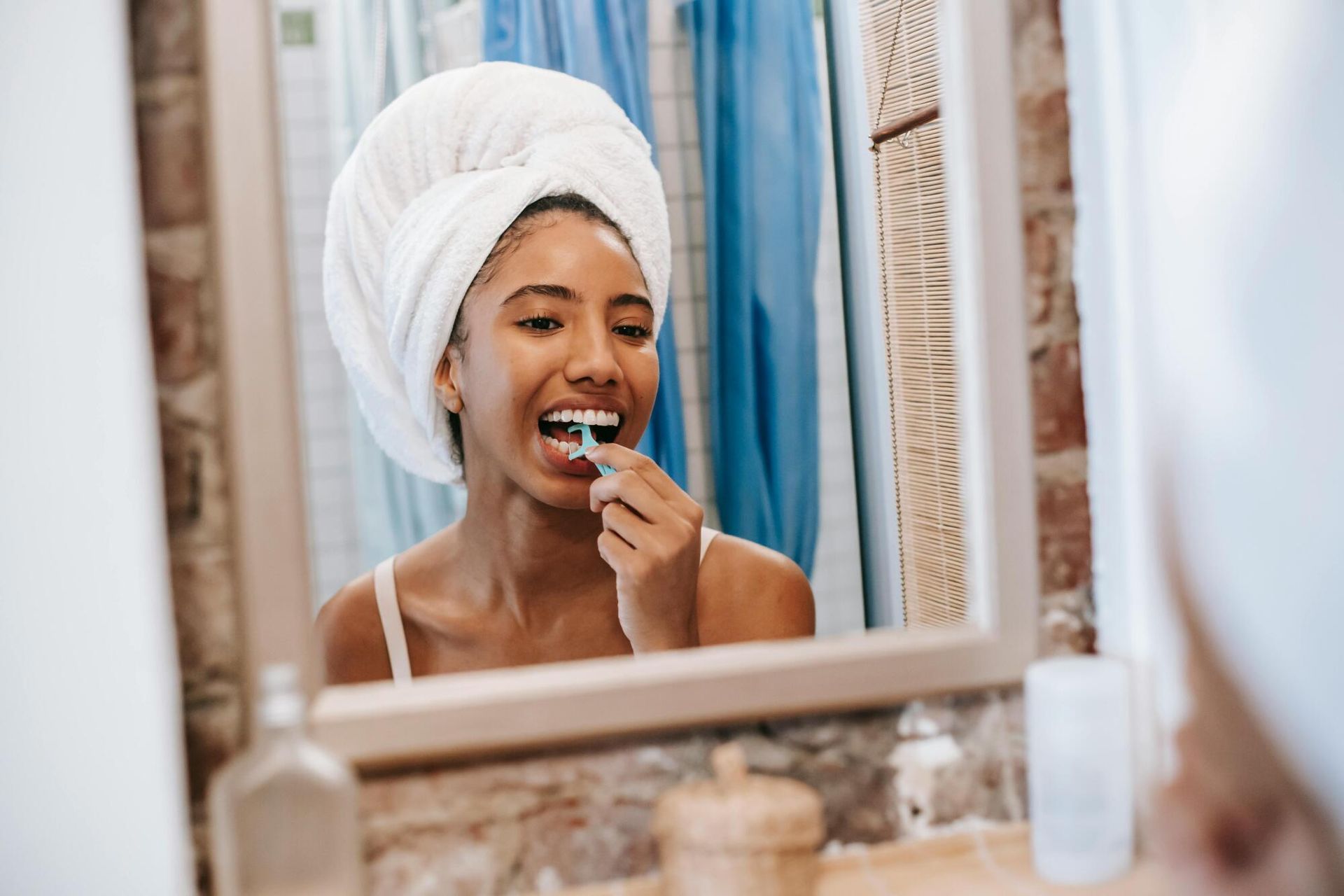
Good, clear aligner hygiene protocols help prevent plaque buildup and reduce the chance of cavities. Brushing and flossing before putting your aligners back in keeps food particles and bacteria from becoming trapped against your teeth.
Clean your aligners daily and follow habits such as:
- Brush after meals
- Floss daily
- Rinse aligners
- Use gentle cleaners
Small daily habits can make a big difference in protecting your smile during treatment.
Support Salivary Flow Optimization for Better Oral Health
Saliva helps wash away food particles and neutralize acids that can damage enamel. Proper salivary flow optimization can lower cavity risk and support a healthier mouth while wearing aligners.
Drink water throughout the day and limit sugary drinks that can leave residue behind. Staying hydrated also supports white spot lesion reduction by helping your mouth maintain a healthier balance of bacteria and minerals.
Use Demineralization Prevention Steps to Protect Enamel
Enamel can weaken when acids remain on teeth for extended periods. Following effective demineralization prevention steps helps reduce the likelihood of decay and supports long-term dental health.
Helpful habits include:
- Limit sugary snacks
- Choose water often
- Attend checkups
- Use fluoride products
Many good dentists recommend preventive cosmetic dental care alongside Invisalign to help maintain a bright, healthy smile. Protecting enamel today can help prevent costly dental problems later.
Protect Your Smile During Invisalign Treatment
An Invisalign treatment can deliver excellent results when you combine it with strong oral hygiene habits and regular dental care.
At Lake Arbor Dental Associates, patients receive comprehensive dental care ranging from preventive services to cosmetic and restorative treatments designed to protect long-term oral health. Our team combines modern technology with personalized care to help every smile stay healthy and strong.
Contact us today to schedule your visit and learn how we can help protect your smile during and after Invisalign treatment.

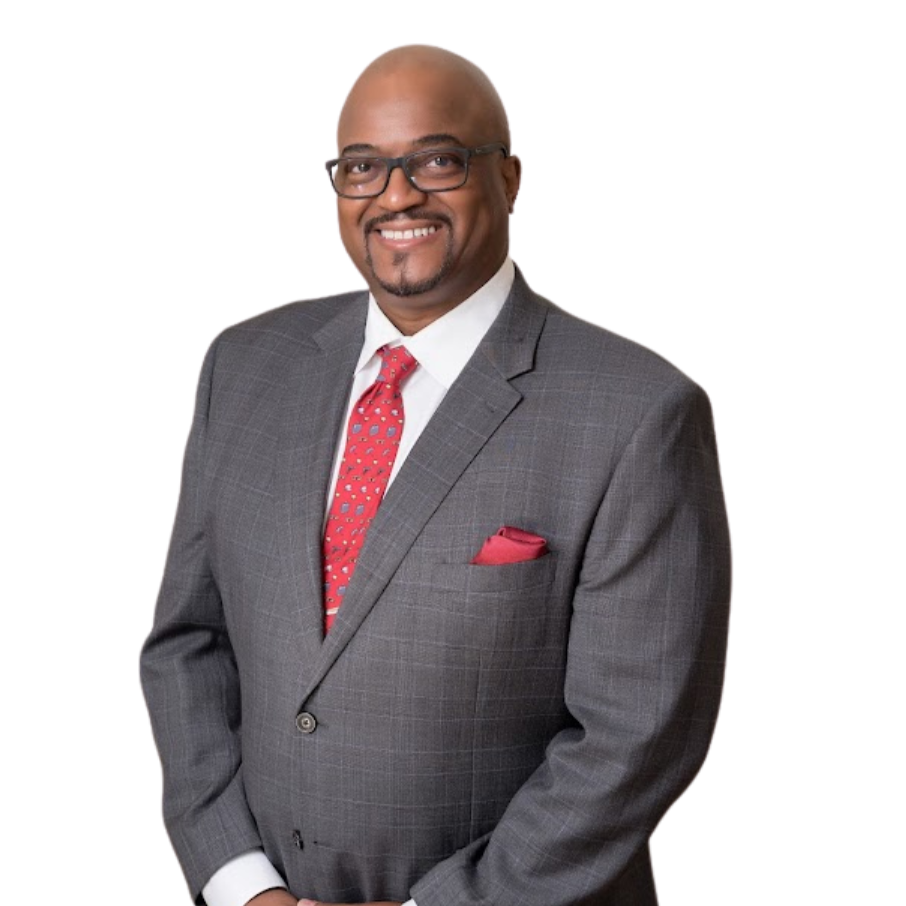
Dexter McRae, DDS
D.D.S
"You don't have to brush your teeth....just the ones you want to keep!"
Dr. Dexter D. McRae was born in Fayetteville, NC. Following his graduation, he worked for the U.S. Army in the military intelligence field as an electronic warfare Morse code decoder. Thereafter, he completed his B.S. in Biology from Fayetteville State University after a six-year enlistment. He got selected for the Human Genome Project at Los Alamos National Laboratory out of thousands of students during his undergraduate studies.
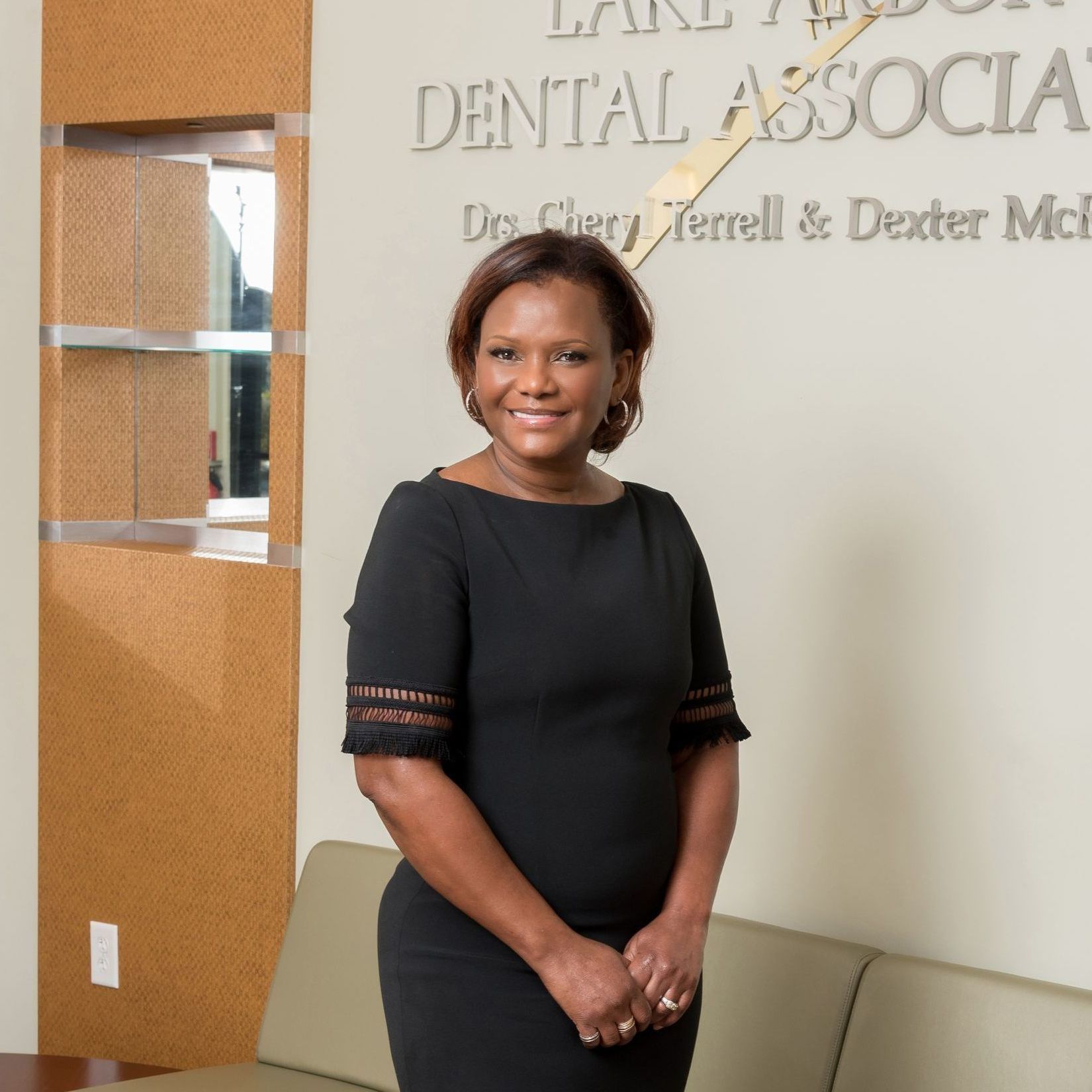
Cheryl R. Terrell, DDS
D.D.S
"Our goal is to exceed all of your expectations... with a smile."
Dr. Cheryl Terell was born in Nassau, Bahamas. She completed her DDS degree from the Howard University in 1996 after graduating from dental school. She attended surgical residency at the Princess Margaret Hospital in Nassau, Bahamas for a year.