
Dental Plaque Explained: What It Is and How to Prevent It

Lake Arbor Dental Associates • February 24, 2026

Dental plaque is a sticky layer of bacteria that forms on your teeth every single day. If it is not removed with thorough brushing, flossing, and routine cleanings, it can lead to cavities, gum irritation, and hardened tartar. The upside is simple: consistent daily habits keep plaque under control.


You might not see it, but you can feel it. That slightly rough coating on your teeth by evening is not harmless buildup. It is bacteria feeding on leftover sugars and releasing acids that weaken enamel in real time.


Plaque starts forming within hours after you eat. Skip a brushing session, and it gains ground quickly. Catch it early with smart prevention, and you stay ahead of the damage instead of reacting to it later.


dental plaque, its potential repercussions, and effective prevention strategies.


What is Dental Plaque?


Dental plaque is primarily composed of bacteria, food particles, and saliva. This film develops continuously throughout the day, especially when you consume sugar-rich foods. The bacteria in plaque feed on these sugars, producing acid that can erode tooth enamel and lead to cavities.


The Causes of Dental Plaque


The formation of dental plaque is a natural process, but certain factors can exacerbate its buildup. These include:


  • Poor Oral Hygiene: Inconsistent brushing and flossing contribute significantly to plaque accumulation.
  • Diet: High-sugar and high-carb foods can worsen plaque development.
  • Dry Mouth: Saliva helps wash away food particles and bacteria; a lack of saliva can lead to increased plaque.
  • Certain Medications: Some medications can affect your salivary glands, thus promoting plaque buildup


Consequences of Ignoring Dental Plaque


Failing to manage dental plaque can have severe consequences for your oral health. Ignored plaque can harden into tartar, leading to gum disease and potentially more severe conditions like periodontitis.


These conditions not only threaten your teeth but can also lead to systemic health issues. Studies have shown correlations between oral health and overall well-being, including conditions like heart disease.


Effective Prevention Methods


Prevention is always better than cure, especially with dental plaque. Here are some effective strategies recommended by a dentist in Mitchellville, MD:


  • Brush Regularly: Brush your teeth at least twice daily with fluoride toothpaste.
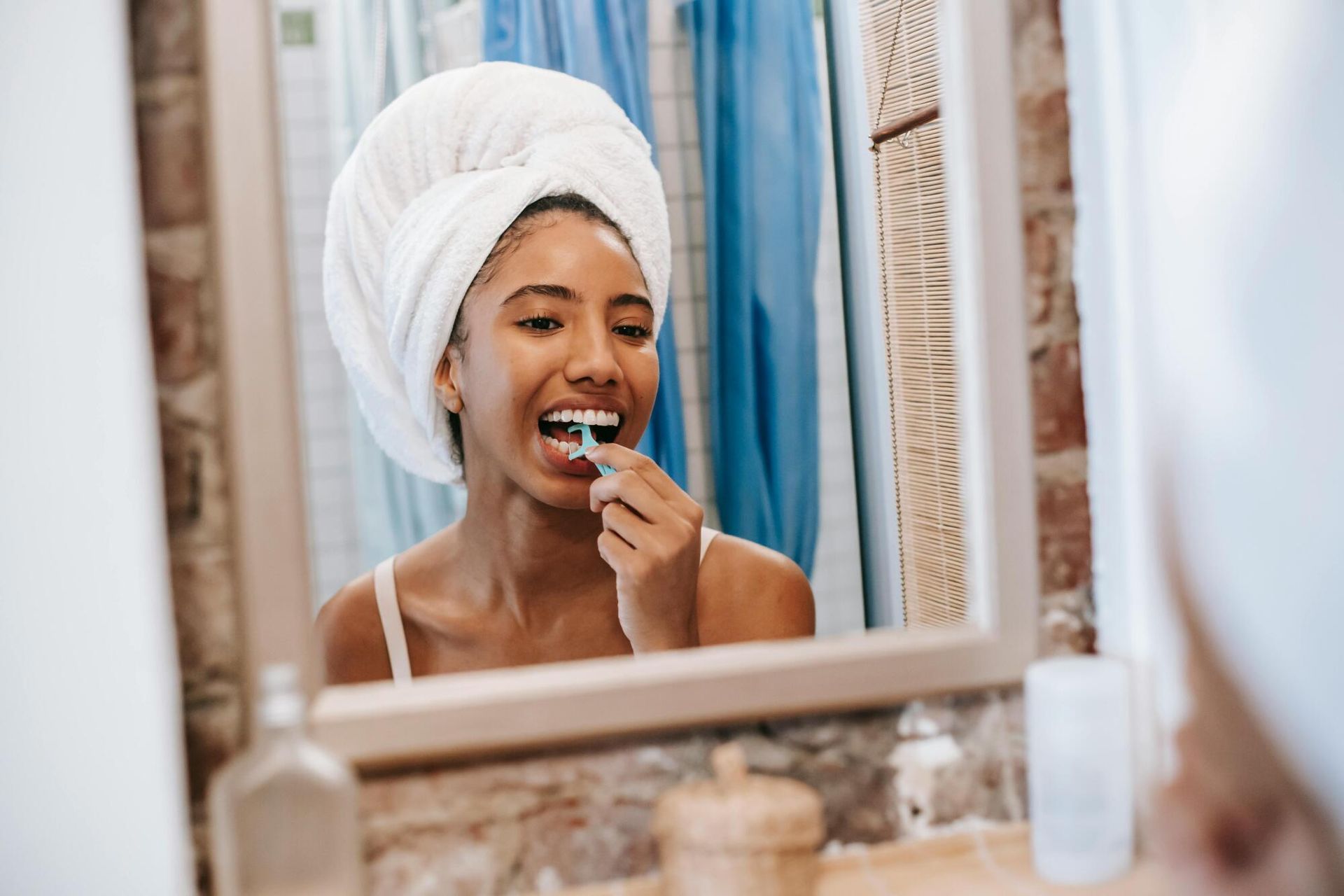
  • Floss Daily: Flossing removes food particles and plaque from places your toothbrush can't reach.
  • Limit Sugar Intake: Reduce consumption of sugary foods and beverages.
  • Visit the Dentist: Regular check-ups and professional cleanings are crucial for optimal dental health.
  • Stay Hydrated: Drink water throughout the day to aid in saliva production.


By being proactive with your oral hygiene and caring for your teeth, you can significantly reduce the chances of plaque formation. Remember, even small changes in your routine can yield significant results.


Dental Plaque: Transform Your Oral Health


Maintaining good dental health isn't just a matter of routine; it's a commitment to yourself. 


Dental plaque does not stand a chance when you have the right team watching for it.


At Lake Arbor Dental Associates of Maryland, Dr. Dexter McRae and Dr. Cheryl Terrell combine clinical precision with a patient-first approach that puts your comfort at the center of every visit. From detailed preventive cleanings and gum health evaluations to restorative care when plaque has already caused damage, our Mitchellville team takes the time to explain what is happening and how to keep it from coming back.

Contact us today.

Person in pink scrubs and gloves holding a small vial with a dark object inside.
By Lake Arbor Dental Associates January 27, 2026
Discover how affordable dental implants can transform your smile. Restore confidence effortlessly with our expert advice and guidance. Click to learn more!
Dentist wearing mask and glasses, holding dental tools, looking down at patient.
By Lake Arbor Dental Associates December 22, 2025
Worried about bleeding gums? Learn key reasons and when to seek dental care. Get the insights you need to protect your oral health today!
Smiling student with brown wavy hair and a teal backpack in a school hallway.
By Lake Arbor Dental Associates November 25, 2025
Explore why Invisalign for teens is the future of orthodontics. Transform smiles with clear aligners today! Learn more about this advanced solution now.
Woman in dental chair gives thumbs up, with dentist smiling and giving thumbs up.
By Lake Arbor Dental Associates October 28, 2025
Does Invisalign hurt? Discover comfort with expert insights from a top dentist in Mitchellville, MD. Schedule your consultation today for a painless smile!
Playmobil dentist examining a patient in a blue chair with a dental X-ray screen.
By Lake Arbor Dental Associates September 30, 2025
Effective dentistry for children ensures a lifetime of healthy smiles. Discover valuable tips and expert insights to keep your child's teeth shining bright.
Dentist leaning over patient, holding tools, wearing mask, glasses, headlamp.
By Lake Arbor Dental Associates August 27, 2025
dental wear solutions, tooth restoration options, Mitchellville dental care, dentist treatments, fixing worn teeth
A dentist is holding a tablet with an x-ray of her teeth on it.
By Lake Arbor Dental Associates July 24, 2025
Do you know the signs a root canal is needed? Find out if it's time to visit a dentist in Mitchellville, MD for an expert evaluation and treatment.
A dentist is showing a patient an x-ray of his teeth.
By Lake Arbor Dental Associates June 18, 2025
Choosing the right dentist in MD doesn't have to be hard. Explore proven methods and find your perfect match. Get started with a consultation!
By Lake Arbor Dental Associates May 27, 2025
According to the University of Illinois Chicago , 178 million Americans are missing at least one tooth. That's not just a cosmetic issue; it affects how you eat, speak, and feel. If you've lost a tooth, it's easy to feel like your smile is permanently changed. But that doesn't have to be the case. With modern tooth replacement options , you can restore the look and function of your teeth. Whether you're considering cosmetic dentistry, teeth restoration, or dental crowns, the right solution can improve your confidence and protect your long-term health. Keep reading to discover which option might be right for you. Types of Tooth Replacement Options When it comes to replacing missing teeth, there are a few main options you can consider . Each solution has its benefits, so it's essential to discuss them with your local dentist to find the right fit for your needs. Dental Implants Implants are widely regarded as the most durable and long-lasting solution . They consist of a titanium post surgically placed into the jawbone, mimicking the root of a natural tooth. After healing, a crown is placed on top, offering a natural appearance and functionality. Bridges Dental bridges are a popular choice for those missing one or more teeth in a row. This restoration involves anchoring crowns to the adjacent teeth, filling the gap with a false tooth. Bridges also restore functionality and maintain the alignment of surrounding teeth. Dentures Complete or partial dentures are removable replacements for missing teeth. While often less expensive than other options, dentures require regular maintenance and may need adjustments over time. Resin-Bonded Bridges For a less invasive option, resin-bonded bridges are secured to the back of your existing teeth using a metal framework. This method is ideal for those who want a fixed solution without disturbing adjacent teeth. The Costs Involved Understanding the financial aspect of tooth replacement is crucial. The cost can vary significantly based on the type of restoration chosen: Dental implants tend to be the most expensive option, often ranging from $3,000 to $4,500 per implant Dental bridges can cost between $500 and $1,500, depending on the number of teeth involved Dentures generally range from $300 to $1,500, depending on the type and materials used How to Choose the Right Option Choosing the best tooth replacement option depends on several factors , including your overall oral health, the number of teeth that need to be replaced, your budget and insurance coverage, and your personal preferences for appearance and comfort. A thorough consultation with your dentist will help you evaluate these considerations and decide on the solution that best fits your needs and lifestyle. Transform Your Smile Today Today's Tooth replacement options offer more than a nice smile; they protect your bite, support jaw health, and restore confidence. Whether you're leaning toward dental crowns, a bridge, or implant-supported dentures, the best solution is the one that fits your needs and lifestyle. At Lake Arbor Dental Associates of Maryland, we offer custom solutions that go beyond basic fixes. With services like implant-supported bridges, full and partial dentures, and expertly crafted cosmetic restorations, our team is dedicated to making sure you receive high-quality care in a welcoming environment. Our patients love our gentle approach, flexible scheduling, and the convenience of serving Mitchellville, Largo, and Lake Arbor since 2005. Schedule your appointment today and let our experienced team help you smile with confidence again.
By Lake Arbor Dental Associates April 25, 2025
The World Health Organization reports that billions of people worldwide suffer from oral health diseases. Most people do not think twice about a bit of blood after brushing. It is easy to overlook early symptoms until things get worse. However, understanding the stages of gum disease can help you catch problems early and avoid long-term damage. Proper habits and regular care can stop the cycle before it starts. Let us take a closer look at how this oral health problem progresses. Recognizing Early Warning Signs Bleeding after brushing might not seem serious, but it often signals the start of gum trouble. Swollen gums or soreness near the gumline are common early signs. Please pay close attention to these symptoms before they grow worse. Here are a few to watch for: Bleeding during brushing or flossing Red, swollen, or tender gums Ongoing bad breath These symptoms are often the first sign that something is off and should not be ignored. Why Timing Matters More Than You Think Acting early can stop mild gum issues from becoming permanent damage. Delaying treatment often means: More pain More cost More risk Gum health can change quickly without warning. These signs suggest that periodontal disease progression may already be underway: Receding gum line Loose or shifting teeth Sensitivity when eating or drinking Recognizing these shifts early gives you the best chance to slow or reverse the damage. The Silent Shift From Mild to Severe Gingivitis and periodontitis may sound similar, but they are very different in how they affect your mouth. One has simple gum disease treatments, while the other causes permanent harm. Spotting the difference is key to stopping further decline. Some key distinctions between the two include: Gingivitis affects only the gums Periodontitis reaches the bone and connective tissue Gingivitis is reversible; periodontitis is not Knowing where you stand helps guide your next steps toward better gum health . What Your Dentist Looks for During Checkups Dentists catch signs of trouble long before you feel pain. They check for early warning signs beyond what you see in the mirror. A few things they look for during routine visits are: Deep gum pockets Gum recession or exposed roots Tartar buildup below the gum line These checks help form a plan before your gum disease symptoms get worse. Simple Changes That Make a Substantial Difference You do not need a complete overhaul to protect your gums. A few daily habits can slow or stop gum disease altogether. These simple actions make a lasting impact: Brush and floss daily with care Use an antimicrobial mouthwash Avoid tobacco and choose healthier snacks Taking these steps each day can help prevent gum disease from progressing.  Do Not Neglect the Gum Disease Stages Whether improving your hygiene or scheduling a dental visit, small steps can slow or even stop gum disease stages from progressing. Preventing the next phase starts with action today. Lake Arbor Dental Associates of Maryland provides expert general, cosmetic, and emergency dentistry with a caring, professional touch. With same-day treatments, a comprehensive new patient special, and a trusted team led by Dr. McRae and Dr. Terrell, we help patients smile confidently in Mitchellville and beyond. Contact us to book your visit .
Lake Arbor Dr. Dexter McDrae

Dexter McRae, DDS

D.D.S

"You don't​ have to brush your teeth....just the ones you want to keep!"


Dr. Dexter D. McRae was born in Fayetteville, NC. Following his graduation, he worked for the U.S. Army in the military intelligence field as an electronic warfare Morse code decoder. Thereafter, he completed his B.S. in Biology from Fayetteville State University after a six-year enlistment. He got selected for the Human Genome Project at Los Alamos National Laboratory out of thousands of students during his undergraduate studies.
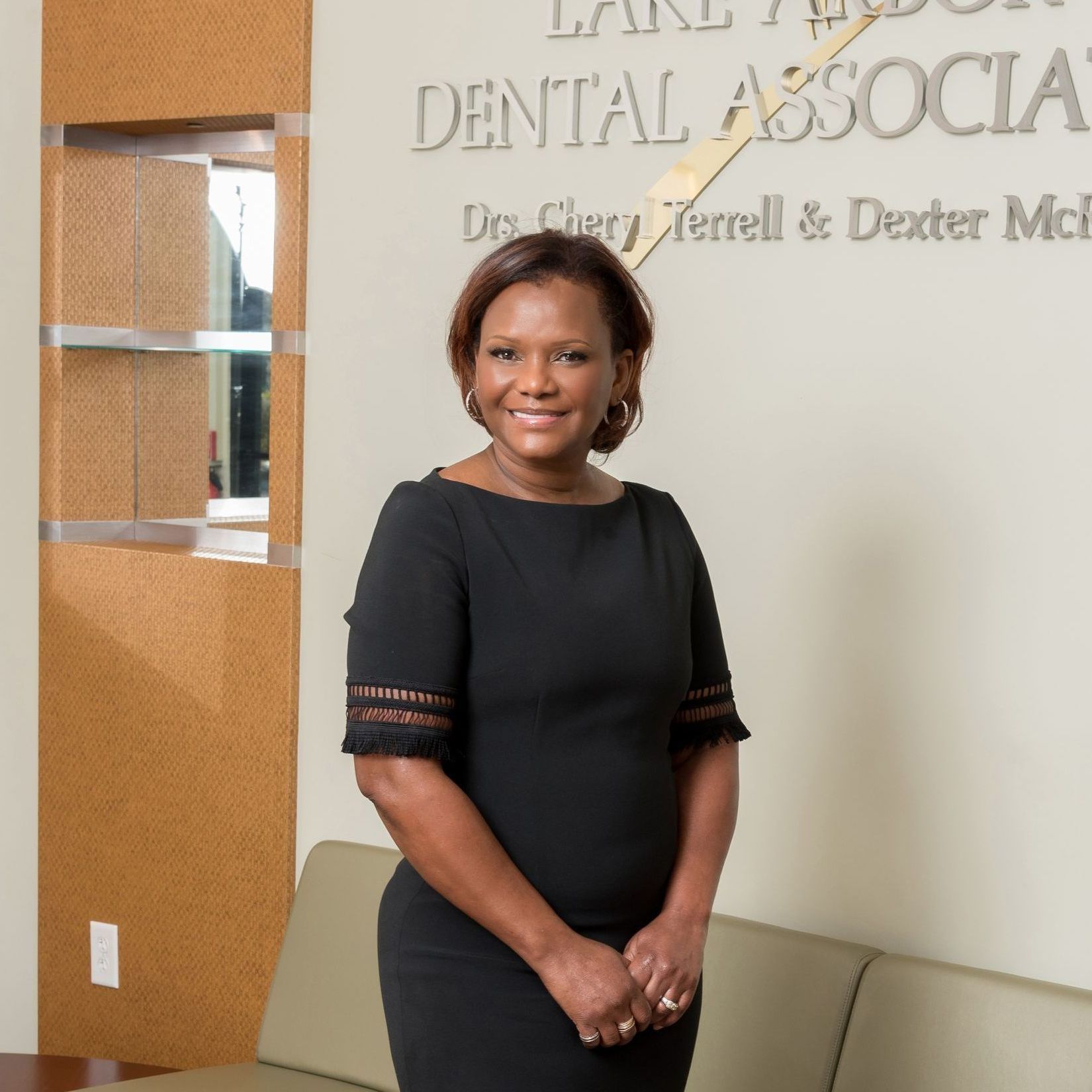
Lake Arbor Dr. Cheryl Terrell

Cheryl R. Terrell, DDS

D.D.S

"Our goal is to exceed all of your expectations... with a smile."


Dr. Cheryl Terell was born in Nassau, Bahamas. She completed her DDS degree from the Howard University in 1996 after graduating from dental school. She attended surgical residency at the Princess Margaret Hospital in Nassau, Bahamas for a year.